The Appeal of a Distressed Journal Interior for Modern Creators
There is something quietly compelling about a page that does not try to hide its texture. In a world where polished digital interfaces dominate daily life, the tactile suggestion of wear, margin, and character has become unexpectedly desirable. A distressed journal interior captures that sensibility, offering notebook pages that feel lived in, even before a single word is written. For creators, entrepreneurs, and professionals who produce low-content or no-content books for print-on-demand platforms like KDP, this aesthetic is more than a stylistic choice, it is a strategic one.
The interior of a journal is often overlooked. Many sellers focus on cover design, assuming the inside is merely a functional backdrop. But readers, especially those who purchase journals for reflection, planning, or creative work, notice the details. The weight of the lines, the spacing, the subtle wear around the edges, and the overall mood of the page influence how they use the book. A distressed journal interior brings warmth, nostalgia, and a sense of authenticity that a sterile, perfectly uniform layout cannot replicate.
What Makes a Distressed Journal Interior Distinct
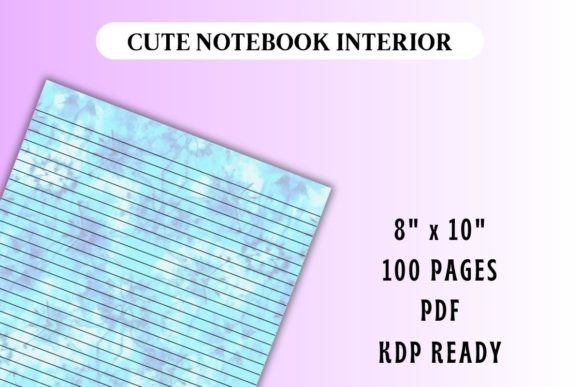
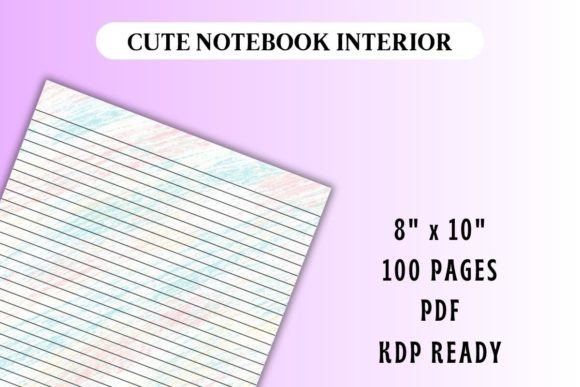
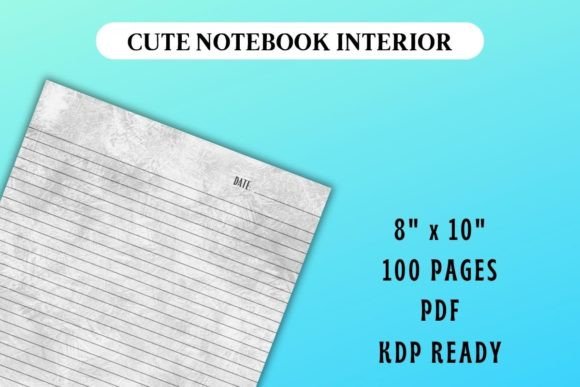
A distressed journal interior typically features aged or vintage-style page elements. This might include slightly irregular borders, muted or sepia-toned backgrounds, subtle stains, worn edges, or handwriting-style headers. The goal is not to look damaged but to evoke a sense of history and personal use. The pages feel as though they belong to a well-loved notebook, one that invites ideas, sketches, and notes without the pressure of pristine perfection.
This interior works especially well for journals focused on gratitude, mindfulness, travel, art, or stream-of-consciousness writing. The visual tone sets an expectation: this is a space for honest expression, not for rigid formatting. For a digital product that is downloaded and printed, the distressed effect must be rendered carefully in the PDF file so that it prints clearly without taking away from the usability of the page. The best interiors strike a balance between atmosphere and function, ensuring that lines remain easy to write on and that the distressed elements do not interfere with legibility.
Why Distressed Designs Resonate in a Digital Age
There is a growing countercurrent to the sleek uniformity of digital life. People spend hours each day looking at screens filled with clean, sans-serif interfaces, notifications, and perfectly aligned content. In response, many seek analog experiences that feel slower, messier, and more human. A journal with a distressed interior offers that contrast. It suggests a break from optimization and an invitation to engage with imperfection.
This trend is visible across creative and professional communities. Bullet journaling, art journaling, and analog planning have all seen sustained interest. Even among professionals who use digital tools for most of their work, a physical notebook with character remains a staple for brainstorming, meeting notes, and personal reflection. The distressed journal interior fits naturally into this shift, offering a product that feels thoughtful rather than generic.
From a market perspective, buyers on KDP and similar platforms are increasingly looking for interiors that stand out. With thousands of journals available, a unique interior can be the difference between a product that gets lost and one that resonates. The distressed style is not just a visual trend, it reflects a deeper preference for products that feel intentional and personal.
The Shift Toward Authenticity in Low-Content Publishing
Low-content and no-content publishing has matured significantly. Early on, many sellers focused on volume, producing simple lined or dotted notebooks with minimal differentiation. As the market has grown, so have buyer expectations. Readers now look for interiors that reflect a specific mood, purpose, or aesthetic. A beautiful and unique KDP interior is no longer a nice-to-have, it is often what drives a purchase decision.
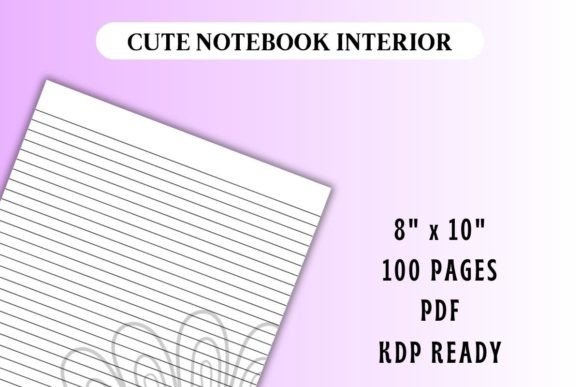
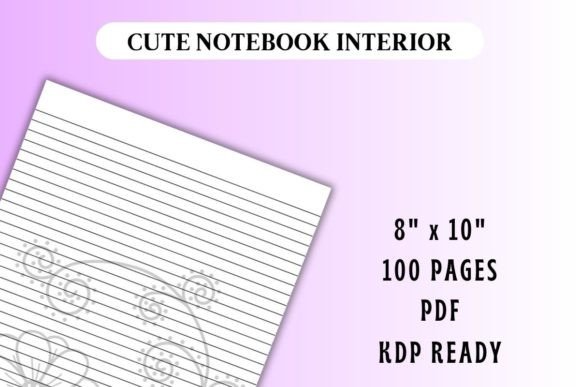
The distressed journal interior fits this evolution perfectly. It offers an immediate sense of character that a standard grid or blank page cannot match. For the creator, it also simplifies the design process. Instead of trying to build a complex layout from scratch, a well-prepared distressed interior provides a cohesive foundation that feels complete. The ready-to-upload PDF file, with 100 pages at 8 x 10 inches, becomes a product that can be published quickly without sacrificing quality.
This shift also reflects changing habits among journal users. Many people now use notebooks for a combination of writing, drawing, planning, and logging. A page with subtle visual interest encourages this hybrid use. The worn aesthetic reduces the fear of the blank page, making it easier to start writing or sketching. For the seller, this translates into a product that serves a wide range of potential buyers, from students to business owners.
Practical Benefits for KDP Publishers and Print-on-Demand Sellers
Publishing a journal on KDP requires attention to both the cover and the interior. While the cover attracts the click, the interior determines whether the customer feels satisfied after purchase. A distressed journal interior provides several practical advantages for sellers.
First, it differentiates the product in a crowded marketplace. Many journals use clean, minimalist interiors. A distressed style stands out in search results and on product preview pages. Second, it adds perceived value. Buyers often associate visual detail with higher quality, even if the production cost is the same. Third, because the interior is ready to upload as a single PDF file, it saves time. There is no need to format each page individually or add decorative elements manually. The file is production-ready, designed to work with KDP specifications and other print-on-demand platforms.
The 8 x 10 inch size is particularly practical. It offers enough space for writing, drawing, or pasting elements, while remaining compact enough to carry in a bag. This size works well for both professional and personal use, making the journal versatile across different customer segments. With 100 pages, the interior provides substantial content without being overwhelming, a balanced length for a notebook that users can complete within a few months.
How a Beautiful and Unique KDP Interior Supports Creative Workflows
Creative professionals, writers, and entrepreneurs often rely on notebooks to capture ideas before they fade. A beautiful interior can enhance this process by making the act of writing feel more intentional. When a page has character, it encourages slower, more thoughtful engagement. The distressed aesthetic, with its soft edges and aged quality, creates a space that feels removed from the urgency of digital workflows.
For a blogger or content creator, a journal with this interior might become the place where rough drafts, mind maps, and project outlines take shape. The visual warmth of the pages can reduce the pressure to produce perfect writing, allowing ideas to flow more freely. For an educator or trainer, the notebook can serve as a teaching journal, a place to reflect on lessons, gather insights, and plan future sessions. The unique interior adds a layer of personality that a standard notebook cannot offer.
Even for a business owner who uses the journal primarily for notes and to-do lists, the distressed design brings a subtle shift in mindset. The pages feel less like a productivity tool and more like a personal companion. This emotional connection, however small, can influence how consistently the journal is used and how much value the owner derives from it.
Who Benefits from This Type of Notebook Interior
The audience for a distressed journal interior is broader than one might assume. While the aesthetic appeals strongly to creative individuals, it also attracts professionals who value design and quality. Marketers, freelancers, and entrepreneurs often choose products that reflect their personal brand, and a journal with a distinctive interior communicates taste and attention to detail.
Hobbyists, such as those who enjoy art journaling, scrapbooking, or calligraphy, benefit from pages that already have visual interest. The distressed background can complement various artistic styles, from ink drawing to collage. Meanwhile, curious readers who simply enjoy journaling for self-reflection will appreciate the inviting atmosphere of the pages.
For sellers on KDP, this means the product can be marketed to multiple niches without losing its core identity. Whether positioned as a vintage travel journal, a creative sketchbook, or a daily gratitude log, the distressed interior adapts naturally. The beautiful and unique KDP interior becomes a versatile asset in a product catalog, capable of attracting customers from different walks of life.
What to Look for in a Ready-to-Upload PDF Interior
Not all distressed journal interiors are created equal. When choosing or creating a digital product for KDP, several factors determine whether the interior will perform well. The PDF file must be formatted correctly for print, with proper bleed margins and resolution. The distressed effects should be subtle enough to print clearly without appearing muddy or overly dark. Pages should remain functional, with adequate space for writing and clear line visibility.
The 100-page count at 8 x 10 inches provides a solid foundation. This size is common in the low-content market, which means the interior will fit standard cover templates and trim sizes. The PDF should include all pages ready for upload, with consistent styling throughout. A well-prepared interior saves the seller hours of formatting work and reduces the risk of rejection during the KDP review process.
It is also worth considering how the interior aligns with the cover. A distressed journal interior paired with a complementary cover design creates a cohesive product that feels thoughtfully crafted. Buyers notice when the inside and outside match in tone and quality. This consistency builds trust and encourages positive reviews.
Making the Most of a Distressed Journal Interior in Your Product Line
For sellers who are adding a distressed journal interior to their catalog, positioning matters. Highlight the unique aesthetic in the product description. Explain what makes the interior different from standard notebooks. Use terms that resonate with the target audience, such as vintage, artistic, thoughtful, or character-rich. Include sample images of the interior in the product preview so buyers can see the design before purchasing.
Consider creating multiple variations of the same interior with different cover designs. This allows you to test which cover styles perform best while keeping the production process efficient. Because the PDF is ready to upload, you can publish new products quickly and adjust based on market response.
It is also helpful to think about the end user. A journal with a distressed interior is often given as a gift. Buyers may purchase it for a creative friend, a colleague, or a family member who enjoys writing. Emphasizing the gift potential in your marketing can expand the product's reach beyond self-use buyers. The unique interior adds perceived gift value, as it feels more special than a generic notebook.
Final Thoughts on the Value of a Well-Crafted Notebook Interior
The market for low-content books continues to grow, but standing out requires more than a flashy cover. The interior is where the user spends their time. A distressed journal interior offers a way to create a meaningful experience for the buyer, one that feels personal and inviting. For the seller, it provides a product that is ready to upload, easy to publish, and aligned with current preferences for authenticity and character.
Whether you are a seasoned KDP publisher or exploring print-on-demand for the first time, a beautiful and unique KDP interior can elevate your product line. The distressed aesthetic is not a passing fad. It reflects a lasting desire for analog experiences that feel real, imperfect, and human. In a market full of options, that kind of connection is what turns a simple notebook into a favorite tool.