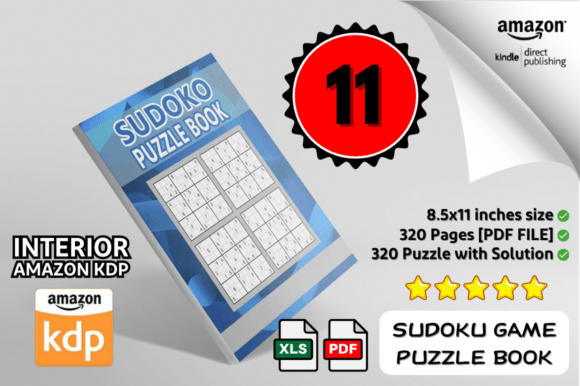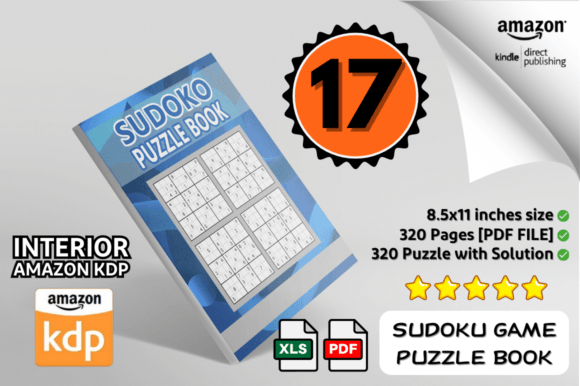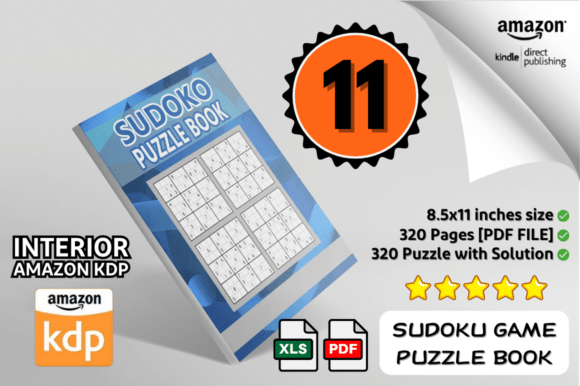
Sudoku Puzzle Book Hard Part 11: A Masterclass in Grid Design
The nine-by-nine grid of a standard Sudoku puzzle is, for graphic designers, a profound exercise in visual hierarchy, spatial reasoning, and minimalist communication. When we analyze a product like Sudoku Puzzle Book Hard Part 11 through the lens of professional graphic design, it transcends its purpose as a mere game. It becomes a compelling case study in how structure, typography, and layout converge to create an exceptional user experience. For creators, marketers, and designers, understanding the mechanics behind such a cleanly executed layout offers valuable insights that can be applied directly to branding, web design, and even packaging.
Unpacking the Visual Hierarchy of the Puzzle Grid
The core challenge in designing a puzzle book lies in balancing dense information with effortless readability. Sudoku Puzzle Book Hard Part 11 demonstrates a masterful approach to visual design. The interior template is not just an afterthought; it is a carefully crafted tool. Every line weight, font choice, and cell dimension has been calculated to reduce cognitive friction, allowing the solver to focus purely on logic.
From a typography standpoint, the selection of a highly legible, neutral number typeface is critical. A novice designer might choose a decorative font, but a professional understands that true modern aesthetics prioritize function. The numbers must be perfectly weighted to sit comfortably within a small square without appearing crowded. This attention to detail is what separates a premium print design from a generic one. The use of subtle color palette distinctions—perhaps a soft pastel for pre-filled numbers and a bolder black for user entries—enhances the UX design of the book, making the solving process intuitive.
Key Design Elements for Maximum Usability
- Readability: High-contrast numbers and generous inner padding prevent visual fatigue during long solving sessions.
- Grid Structure: Thicker borders delineate the nine 3x3 sub-squares, creating a clear visual hierarchy that matches the game's rules.
- Professional Presentation: A clean spine and bleed area ensure that no critical numbers are lost in the gutter during printing.
Extending the Logic: From Print Design to Digital Branding
The structured approach found in Sudoku Puzzle Book Hard Part 11 offers direct applications for digital marketing and web design. The concept of a "grid" is foundational to UI design and UX design. When you examine the layout of this puzzle book, you are looking at a perfectly implemented modular system. This grid-based thinking is exactly what runs behind the scenes of a complex website layout or a cohesive set of social media graphics.
For branding and brand identity, consistency is king. This book, being Part 11 of a series, implies a established design workflow. The cover must communicate that it belongs to a family while standing on its own. The typography, the placement of the difficulty label, and the overall color story become creative assets that build trust with the consumer. As a designer working on editorial design or packaging design, replicating this level of systematic consistency across multiple product iterations is a valuable skill.
Applying Grid-Based Design to Your Creative Projects
- Branding and Logo Design: Use geometric constraints (like a Sudoku grid) to create modular logos that scale beautifully.
- Marketing Materials: Adopt a strict grid for brochures or presentations to align text and imagery professionally.
- Digital Products: Apply the same logic to web design layouts to ensure a seamless flow from one section to the next.
- Merchandise: Use clean, grid-based typography for t-shirts or posters to achieve a modern aesthetic.
The Value of a Thoughtful Design Workflow
Creating a puzzle book like Sudoku Puzzle Book Hard Part 11 is not just about placing numbers inside squares. It requires a deep understanding of color palette psychology, typography pairing, and visual hierarchy. For graphic design enthusiasts and professionals, studying such products provides real-world design inspiration. It proves that even the most utilitarian object can be elevated into a premium experience through thoughtful layout and attention to detail.
Ultimately, the goal of a designer is to communicate clearly and to remove barriers between the user and the content. Whether you are building a complex UI design, curating creative assets for a digital marketing campaign, or structuring social media graphics, the principles of clarity and order remain the same. By appreciating the discipline behind every precisely placed number in a puzzle grid, you can bring that same level of precision and professionalism to your own creative projects, ensuring your work is both beautiful and functionally flawless.