Nurikabe Puzzle Book for KDP Part 02: Evaluating Its Place in the Logic Puzzle Market
Logic puzzles continue to occupy a unique space in a world dominated by digital entertainment. They offer a quiet, structured form of mental engagement that many adults find essential for unwinding or maintaining cognitive sharpness. Among the pantheon of grid-based logic puzzles, Nurikabe stands out for its elegant simplicity and deep strategic demands. The Nurikabe Puzzle Book for KDP Part 02 is a specific offering designed not only for the avid puzzler but also for the growing community of self-publishers seeking quality content for the Kindle Direct Publishing platform. Understanding what this volume provides, how it compares to other options, and the tradeoffs involved can help both audiences make a more informed decision.
Understanding the Core Offering and Its Distinct Features
At its heart, the Nurikabe Puzzle Book for KDP Part 02 is a substantial collection of classic logic puzzles. The term "Part 02" implies a series, which is a significant structural choice. For a solver, this suggests a consistent level of quality and a predictable format if they choose to collect subsequent volumes. For a publisher, it signals an opportunity to build a brand and cultivate repeat customers within a specific niche.
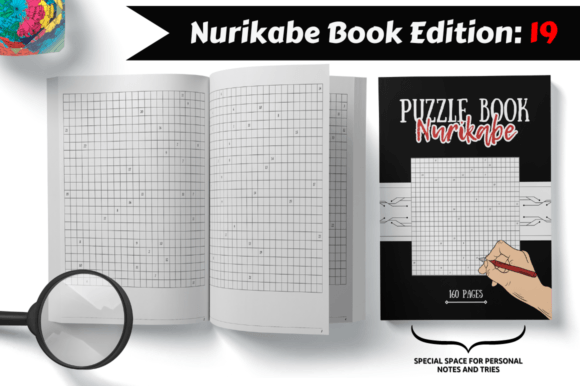
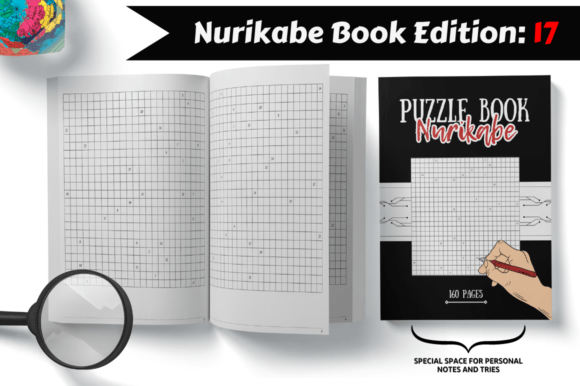
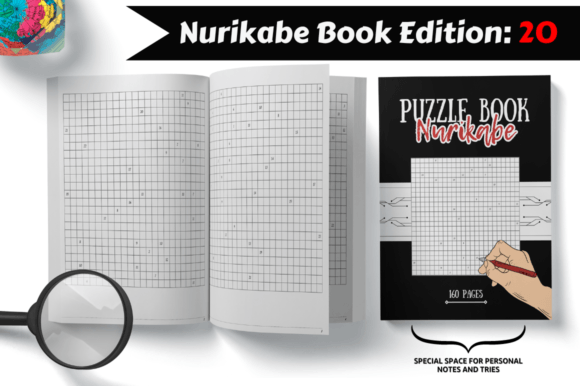
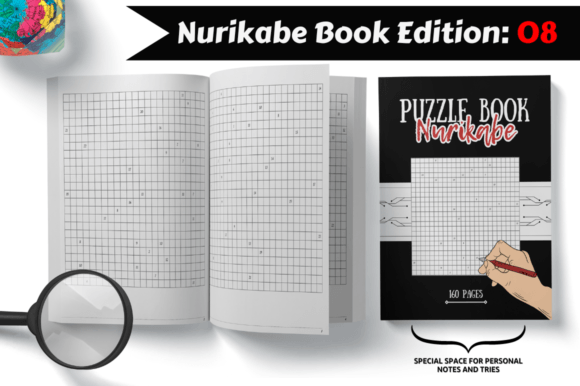
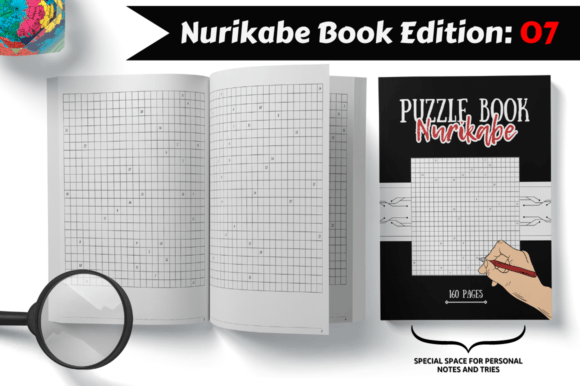
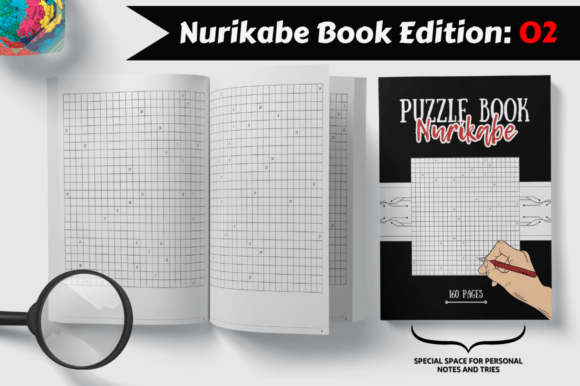
What makes this particular package distinct is its dual utility. It is not just a puzzle book; it is a complete publishing asset. The interior is formatted as a 160-page, 8.5x11 inch PDF, with exactly half the pages dedicated to puzzles and half to solutions. This 80/80 split is a deliberate design choice. Additionally, the inclusion of an Excel spreadsheet with curated keywords transforms the product from a pure creative work into a market-ready tool. This hybrid nature is critical to evaluating its overall value.
Key Tradeoffs: Format, Accessibility, and Content Density
Every puzzle book makes implicit promises about how it will be used. The format of the Nurikabe Puzzle Book for KDP Part 02 favors a specific kind of experience, and it is worth weighing the tradeoffs involved.
The Significance of the 8.5x11 Inch Trim Size
The large format is one of the most immediate differentiators. Compared to smaller, pocket-sized puzzle books typically found at newsstands, an 8.5x11 inch book offers substantial grid space. For Nurikabe, which requires careful tracking of continuous black cells (the "sea") and isolated white cells (the "islands"), this extra space can be a genuine advantage. It allows for larger print, clearer numbering, and ample room for pencil markings or erasures.
However, this size comes with a practical tradeoff in portability. An 8.5x11 book is not easily slipped into a jacket pocket or a small handbag. It is best suited for desk solving, a coffee table, or a bedside table. If your primary solving time is during a commute or while waiting in line, a smaller format or a digital app might be a more practical fit. The book's design optimizes for comfort and clarity at the expense of convenience.
Balancing Puzzles and Solutions
The decision to dedicate 80 pages to solutions and 80 pages to puzzles is another critical factor to evaluate. From a solver's perspective, this provides complete transparency. You can always verify your logic, find hints by looking at a completed grid, or confidently check your work. This is particularly valuable for those who are newer to Nurikabe or who solve puzzles methodically. It removes the frustration of being stuck without recourse.
On the other hand, some experienced solvers may view this as a drawback. A book with a higher puzzle-to-solution ratio could offer more challenges for the same page count or allow for a smaller, less expensive physical volume. If you are the type of puzzler who almost never checks solutions and prefers the purity of the unsolved challenge, the bulk of the solution section might feel like dead weight. For the self-publisher, this balance is a known industry standard that caters to a broad audience, balancing transparency with content depth.
Comparing Approaches: Physical Books, Digital Apps, and Alternative Puzzle Types
When evaluating the Nurikabe Puzzle Book for KDP Part 02, it is helpful to place it within the broader landscape of logic puzzle consumption. The primary alternatives are digital platforms and other types of physical puzzle books.
Physical Books vs. Digital Apps: Digital apps offer distinct advantages. They provide infinite puzzles, immediate feedback on correct placements, and adjustable difficulty levels. They are portable and require no physical storage. However, the experience is fundamentally different. Solving on a screen can lead to faster, less contemplative play. The tactile satisfaction of using a pencil on paper, the lack of notifications, and the ability to see your entire solving journey laid out on a page are significant benefits of a physical book. The Nurikabe Puzzle Book for KDP Part 02 leans heavily into the tactile, focused, screen-free experience. If your goal is to disconnect and engage in deep, solitary thought, this book is arguably superior to a phone app. If your goal is quick, casual puzzles during downtime, an app might be more efficient.
Niche Depth vs. Variety: Another important comparison is between a dedicated Nurikabe book and a general puzzle anthology. By focusing exclusively on one puzzle type, this volume allows the solver to develop deep mastery. You learn the specific rhythms and strategies of Nurikabe without distraction. This is ideal for someone who has discovered a love for this particular logic puzzle. In contrast, a variety book might include Sudoku, Slitherlink, Fillomino, and Nurikabe. This is better suited for someone who craves novelty and likes to switch between different cognitive challenges. The tradeoff is clear: depth of experience versus breadth of engagement. The "Part 02" designation reinforces the depth-first approach, assuming the solver wants more of a specific, proven challenge.
A Dual-Audience Perspective: Solvers and Self-Publishers
One of the most interesting aspects of the Nurikabe Puzzle Book for KDP Part 02 is that it speaks to two distinct audiences simultaneously, a factor that heavily influences the evaluation.
For the End-User Solver: The primary value lies in the quality and quantity of the puzzles. 80 puzzles represent a substantial investment in time and mental energy. The large format ensures a comfortable solving experience. The clean PDF layout suggests professional care, which translates to less visual clutter and more satisfying engagement. The primary question for a solver is whether they want to commit to a single puzzle type in a large format. For an enthusiast who loves Nurikabe, this is a strong option. For a general puzzle fan, it may be too specialized.
For the Self-Publisher: This is where the package offers a unique value proposition. Creating a high-quality puzzle book from scratch requires significant time investment in puzzle generation, layout design, formatting for KDP, and keyword research. The Nurikabe Puzzle Book for KDP Part 02 removes nearly all of these barriers. The ready-to-upload PDF interior and cover, combined with the keyword spreadsheet, allow a publisher to launch a product with minimal additional work. The 8.5x11 format is standard and cost-effective for print-on-demand. For a publisher evaluating KDP niches, this package allows for rapid market entry and testing. The tradeoff is a lack of exclusivity and customization. Since the interior is pre-made, it may be used by multiple publishers, which necessitates strong marketing and branding on the publisher's part to differentiate their listing.
Practical Decision Factors for Potential Buyers
Evaluating whether the Nurikabe Puzzle Book for KDP Part 02 is the right choice depends entirely on your primary use case and priorities. Clear decision factors can help cut through the noise.
When this book is likely the right fit:
- You are a dedicated logic puzzle enthusiast. If Nurikabe is a favorite puzzle type, this book offers a clean, substantial collection tailored to your interest.
- You prefer screen-free, desk-based solving. The large format is perfect for a calm, focused session with a pencil and eraser.
- You are a KDP publisher testing the puzzle niche. The included keyword spreadsheet and ready-to-format interior significantly lower the barrier to entry and reduce upfront work.
- You value series and consistency. The "Part 02" label indicates an ongoing collection, which is satisfying for those who like to work through a known series.
When you may need to look at alternatives:
- Portability is your top priority. An 8.5x11 book is cumbersome for travel. A smaller digest-size book or a digital app would serve you better.
- You prefer variety over depth. If you like switching between crosswords, Sudoku, and word searches, a single-niche puzzle book will feel restrictive.
- You are an experienced solver who races through puzzles. 80 puzzles may feel like a short collection. You might prefer a volume with 200+ puzzles or a digital platform with endless generation.
- You are a publisher looking for a completely unique, custom brand asset. Using a pre-made interior means the layout is standard. If your strategy relies on artistic differentiation or a highly specific theme, a custom creation would be necessary.
The logic puzzle market is diverse, and the best choice is rarely about absolute quality and more about the alignment between a product's design and a user's habits. The Nurikabe Puzzle Book for KDP Part 02 is a well-structured offering that sits at the intersection of thoughtful puzzle design and practical self-publishing. For the solitary puzzler seeking a comfortable, focused challenge, it provides a substantial and satisfying experience. For the self-publisher, it offers a pragmatic, low-friction path into a proven market. By understanding the tradeoffs in format, content density, and specialization, evaluators can confidently decide if this particular volume aligns with their goals, whether those goals involve quiet problem-solving in a comfortable chair or building a sustainable portfolio of niche publications.