Ethnic Floral Coloring Pages
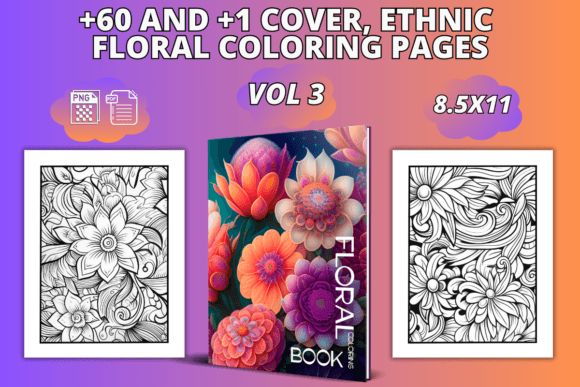
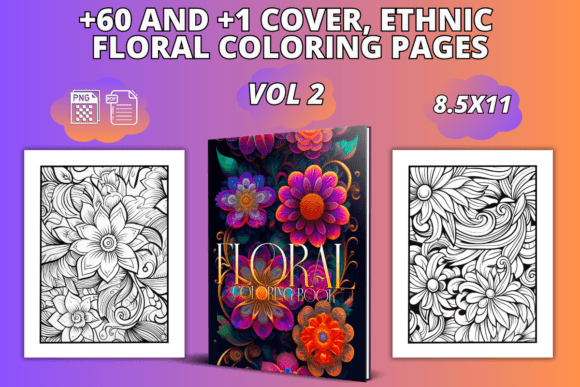
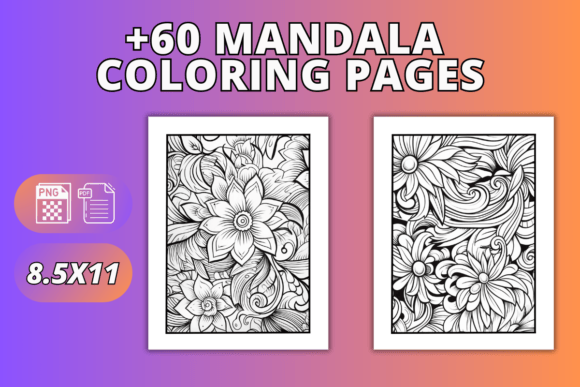
Ethnic Floral Coloring Pages bring together two rich visual traditions: the intricate geometry and symbolism of global ethnic patterns, and the organic beauty of botanical forms. This collection of 60 psychedelic coloring pages offers a distinctive resource for anyone creating low-content or no-content books, whether for Amazon KDP or other print-on-demand platforms. With ready-to-use PDF and PNG files sized at 8.5″ x 11″ with no bleed, the format is designed for straightforward publishing. But beyond the technical convenience, these pages open up creative possibilities that go far simply filling in lines.
What makes these pages particularly interesting is the fusion of floral motifs with ethnic ornamentation. Instead of generic flowers or abstract mandalas, each design weaves blossoms, leaves, and vines into patterns inspired by textile motifs, pottery decorations, and architectural detailing from various cultural traditions. The psychedelic element adds movement, symmetry, and a sense of visual rhythm that makes the finished pieces feel dynamic and alive.
Creative directions for ethnic floral coloring pages
When you work with a resource like this, it helps to see beyond the obvious. A coloring page is not just a page to color. It is a base for experimentation, a template that can be adapted, combined, and repurposed in ways that serve different audiences and projects. Below are several directions you can take this material, depending on your goals.
Themed book collections
One of the most direct applications is creating themed coloring books. The 60 pages in this ZIP file give you enough variety to build a focused collection without repeating patterns. You might group designs by region or inspiration source: Central Asian floral geometry, West African textile patterns with botanical elements, or South Asian paisley and lotus motifs. Each theme gives your book a clear identity, making it easier for buyers to understand what they are getting.
For example, you could publish a series of smaller books, each with 15 to 20 pages from the set, organized around a specific color palette or mood. One book might emphasize warm earth tones and terracotta accents, while another leans into cool indigos and greens. This approach allows you to reuse the same base designs across multiple products, changing only the cover, title, and suggested palette. It keeps production fast while giving customers distinct choices.
Digital product bundles
Because the files come as both PDF and PNG, you can sell them as digital downloads. Many creators on Etsy or Gumroad offer printable coloring pages for adults, and ethnic floral designs have a strong audience among people looking for mindful, meditative activities. The PNG format also makes it easy to offer individual pages as single downloads, or to bundle them with bonus content like cover art, sample color guides, or finished reference images.
If you sell digital products, consider creating a "grow with color" bundle that includes these pages alongside a small guide on color theory or pattern layering. This adds perceived value without requiring much extra work. You can also offer the PNG files as tablet-friendly coloring pages for apps like Procreate or Adobe Fresco, which appeals to digital artists who prefer coloring on screen.
Educational and cultural context sheets
Another way to differentiate your product is to add a brief cultural note to each page or at the start of the book. Ethnic floral patterns often carry symbolic meanings: the lotus in Hindu and Buddhist art, the rosette in Islamic geometry, the sunflower in Native American beadwork. Including a short, respectful explanation of the inspiration behind the motifs gives the book an educational layer. This works especially well if your audience includes educators, art therapists, or adults who appreciate learning while they color.
You do not need to write long essays. One or two sentences per page are enough. For instance, "This pattern draws from Ukrainian embroidery motifs, where flowers represent fertility and protection." That small addition makes the book feel researched and intentional, which builds trust with buyers and aligns with Google's E-E-A-T expectations.
Practical tips for keeping your product organized and effective
When publishing a coloring book, organization matters more than many new creators realize. A well-structured book keeps the user engaged and reduces frustration. Here are a few practical recommendations based on working with this type of content.
Page order and flow
Arrange the pages so that simpler designs appear early and more complex ones come later. This gives users a sense of progression and accomplishment. If some pages in your ZIP file are denser with detail, place them toward the middle or end. You can also alternate between symmetrical and asymmetrical designs to keep the visual experience varied.
Single-sided printing considerations
Even though the files are no-bleed, many users prefer single-sided printing so markers or gel pens do not bleed through to the next design. If you are publishing a physical book, consider including a test page or a blank backer page between designs. For digital downloads, you can add a note recommending users print on heavy paper or place a protective sheet behind the page they are working on.
Consistent file naming
If you are selling the ZIP file directly, name the PNG and PDF files in a logical sequence. Use numbers and short descriptive titles like "ethnic-floral-01-mandala" or "ethnic-floral-02-lotus." This helps buyers find specific pages and makes your product look professional. Avoid generic names like "page1" or "design1."
Adapting the pages for different platforms and audiences
Not every platform requires the same format. Understanding how to adapt the ethnic floral coloring pages for different sales channels can expand your reach significantly.
Amazon KDP
For KDP, the 8.5″ x 11″ trim size is standard, and the no-bleed format means you do not need to adjust margins. You can upload the PDF directly. Consider adding a glossy cover that features a full-color version of one of the designs, plus a back cover with a sample page. Keep the book description focused on the benefits: stress relief, creative exploration, cultural appreciation. Mention the number of pages (60) and the single-sided design if you choose to include that feature.
Print on demand for other platforms
If you use services like IngramSpark, Lulu, or Printful, you can also offer spiral-bound versions. Spiral binding makes it easier for users to lay the book flat while coloring, which is a practical advantage. You can also create a perforated version if the platform allows, so users can tear out finished pages for framing or display.
Digital platforms
For Etsy, Gumroad, or Creative Market, sell the ZIP file as a digital download. Include both PDF and PNG so users can choose their preferred format. You might also add a bonus file: a one-page color test sheet with small swatches of the patterns, which helps users test their materials before starting the main pages. This small extra can improve reviews and reduce questions from buyers.
How to keep the designs original and audience-friendly
One concern with any coloring page resource is ensuring the final product feels original and not like a generic template. Here are a few ways to make your published book or digital product stand out.
Curate your selection
You do not have to use all 60 pages in every product. Choose the designs that fit the mood or theme you are targeting. Removing weaker or less cohesive pages strengthens the overall collection. A focused set of 30 strong pages often sells better than a diffuse set of 60.
Add your own cover and branding
Create a cover that reflects the ethnic floral theme without relying on clichés. Use one of the designs as a background or centerpiece, but add your own title typography and color scheme. Consistent branding across your products builds recognition and trust, especially if you plan to publish multiple coloring books.
Test the user experience
Before publishing, print a few pages yourself and test them with different coloring tools: colored pencils, markers, gel pens. Check whether fine details are too small, whether large areas feel empty, and whether the lines are clear. Adjust contrast or line weight if needed. This step is often overlooked, but it makes a real difference in user satisfaction and reviews.
Realistic examples of how different users can apply this resource
Let me give you three concrete scenarios that show how this ZIP file can serve different creative professionals.
A freelance designer building a portfolio of printable products on Etsy can use the PNG files to create a series of instant-download coloring books. By offering one free sample page as a lead magnet, they can grow an email list and then launch a paid bundle of all 60 pages with a bonus cover. The designer can also license individual pages as custom coloring sheets for wedding favors or event activities.
A small business owner running a print-on-demand shop can upload the PDF to KDP as a paperback coloring book. They can also create a companion journal or notebook using similar ethnic floral motifs on the cover, creating a product family that cross-sells. The no-bleed format reduces setup time, and the 60-page count gives enough content for a full-size book that feels substantial.
A blogger or educator focused on art therapy or cultural education can use the pages as free resources for their audience. They might publish a blog post about the calming effects of pattern coloring and include a download link for two or three pages from the set. This builds engagement and drives traffic, while the educator can later offer the full set as a paid product or a patron reward.
Final thoughts on working with ethnic floral coloring pages
This collection gives you a solid foundation. The ethnic floral theme is visually rich and appeals to adults who want something more meaningful than generic patterns. The 60-page count, standard trim size, and dual format give you flexibility across print and digital channels. What you do with it depends on your audience and your goals. Whether you publish a focused coloring book, sell digital downloads, or build a bundle with additional educational content, the key is to treat the pages as a starting point rather than a finished product. Curate, test, brand, and adapt. That is what turns a good resource into a great product.